Built by a clinician who saw the care gap firsthand.
Dr. Priya Chandra spent twelve years as an internal medicine physician at community health centers in the Boston metro area. The pattern she kept seeing: a patient with Type 2 diabetes or decompensated heart failure goes home after discharge, nobody sees the slow glucose climb or the three-pound overnight weight gain, and on day 28 they're back in the emergency department.
The monitoring data existed. The CMS reimbursement framework under CPT 99453–99458 already funded continuous RPM. The gap was a clinical platform built specifically for health system care teams — not a consumer wellness app, not a device manufacturer portal, not an EHR module bolted on as an afterthought. RPMLyra was co-founded in Boston in 2024 to close that gap.
RPMLyra is not an EHR and does not replace clinical judgment. It gives care coordinators the signal clarity they need to act early — before deterioration reaches the threshold that sends a patient back to the ED.
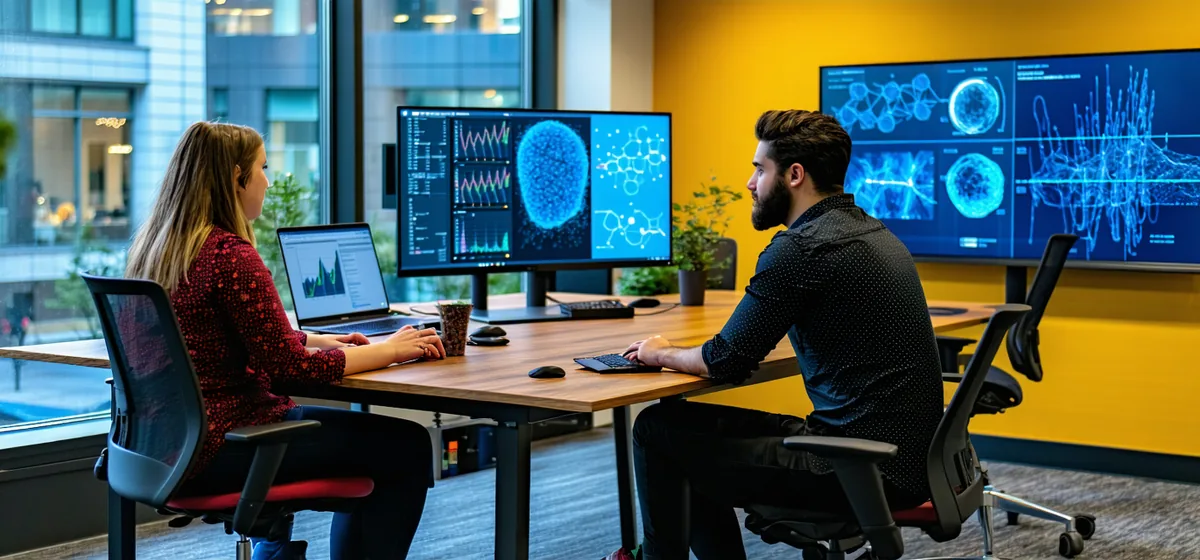
Three principles guiding how we build
RPMLyra's mission is to make continuous remote monitoring a clinical default for every health system managing high-risk patients at home — not a premium add-on, but a standard part of chronic disease care. We are independently funded and based in Boston, MA.
Alert quality over volume
A care coordinator who sees 40 red alerts a day treats them all the same — which means the real one gets missed. Lyra fires fewer alerts with more signal. Clinical utility depends on it.
The reimbursement exists — use it
CPT 99453–99458 is a sustainable funding model for continuous RPM. We designed the platform so billing documentation happens automatically — not as an afterthought buried in a care note.
EHR-first, not EHR-adjacent
If care teams have to leave their EHR to see the alerts, adoption fails. FHIR R4 bidirectional integration and SMART on FHIR embedding are not roadmap features — they're table stakes.
Clinicians and engineers building together
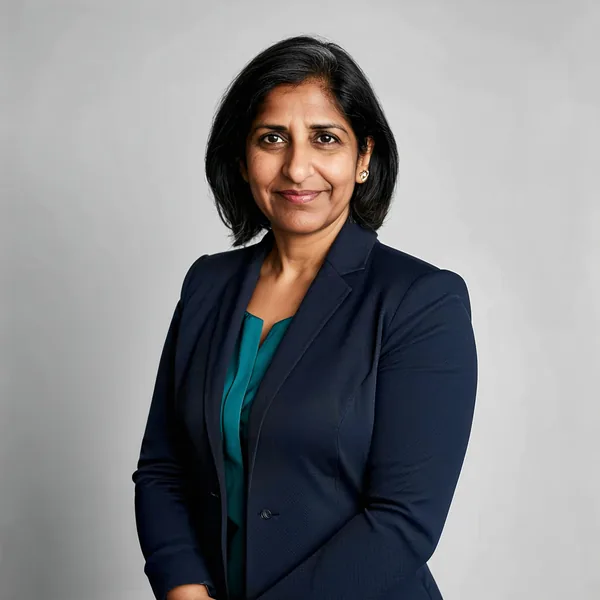
Dr. Priya Chandra
Internal medicine physician with 12 years managing high-risk chronic disease populations at community health centers in the Boston area. Co-founded RPMLyra in 2024 after spending years watching preventable readmissions unfold — not from lack of clinical knowledge, but from lack of visibility into what patients' home devices were recording between appointments.

Marcus Webb
Healthcare infrastructure engineer with a background in clinical decision support and HL7 FHIR integration systems. Architected RPMLyra's FHIR R4 bidirectional sync layer, the Lyra Alert Engine, and the CPT monitoring-minutes tracking system.

Dr. Alicia Fontaine
Endocrinologist and population health specialist. Defines RPMLyra's clinical alert thresholds, condition monitoring protocols, and ensures the platform follows clinical evidence on RPM efficacy in chronic disease management.